





Chair of ad hoc committee says national parliaments can serve as electoral colleges, allays cost fears
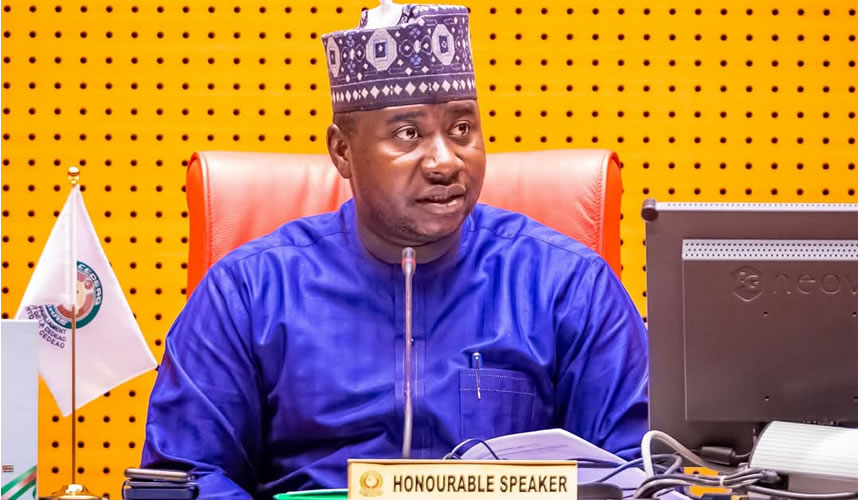
The Chairman of the Ad Hoc Committee on the Enhancement of the Powers of the ECOWAS Parliament on Direct Elections, Billay G. Tunkara, says he has allayed fears among committee members over the cost of direct elections to the Community Parliament.
Tunkara said the committee first met to consider its terms of reference in Accra, where the Second Extraordinary Session was held. In an interview with EcowasNewsOnline.com, he said he wants to leave a legacy that will resonate in history, telling colleagues he would not want to champion any project that would fail.
“With this project, I will give it all my best,” he said.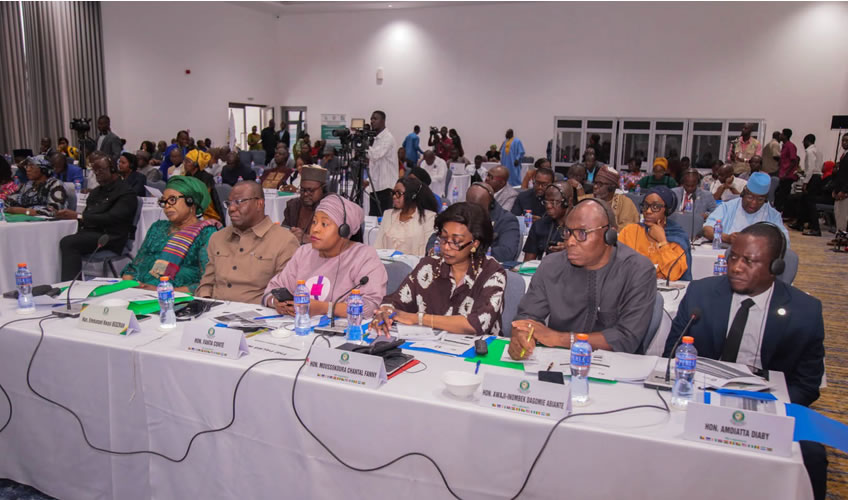
As part of parliamentary diplomacy, Tunkara said he accompanied the Rt. Hon. Speaker on a tour of the East African Legislative Assembly (EALA), where he sought to learn how that regional bloc elects its members of parliament.
The ECOWAS Parliament is yet to implement direct elections. Under the current arrangement, member states elect representatives to the Community Parliament after their presidential and parliamentary elections, with each member state allotted a percentage of representation.
Under the EALA model, Tunkara said, a national parliament would serve as an electoral college. In Ghana, for instance, Parliament would elect the country’s representatives to the Community Parliament; Ghana currently has eight representatives.
He said this should also reassure the ECOWAS Authority of Heads of State and Government and the ECOWAS Commission that the process would not require campaign funding after national elections.
Tunkara said the delegation’s composition would reflect the national parliament. If a parliament is made up of 60% government and 40% opposition, for example, the ECOWAS delegation would be composed accordingly. He said other interests, including gender inclusion, would also be addressed, with a 30% target.
“Our parliament is the embodiment of the people. So when Parliament elects you, it means you have gotten a mandate from the people. We will focus on the mandate of the Parliament, which is regional integration and free movement of people—how do we integrate? How do we integrate through commerce and move as a people to ensure that we move from an ECOWAS of States to an ECOWAS of people? Those objectives should form the terms of reference of that parliament. How do we legislate to promote regional integration?” he said.
Kwaku Sakyi-Danso/EcowasNewsOnline.com

