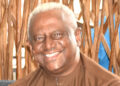






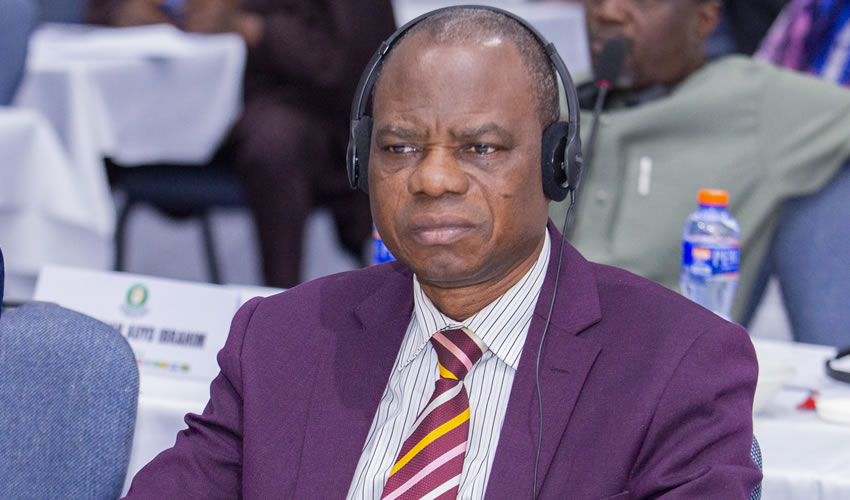
Accra, Ghana — A member of Ghana’s delegation to the ECOWAS Parliament and of the Ad hoc Committee mandated to strengthen the Parliament’s powers and draw a roadmap for electing its members, Dominic Napare, says direct elections are possible.
He believes the Authority of Heads of State and Government of the Economic Community of West African States (ECOWAS) will support the agenda if it is well justified.
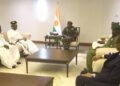
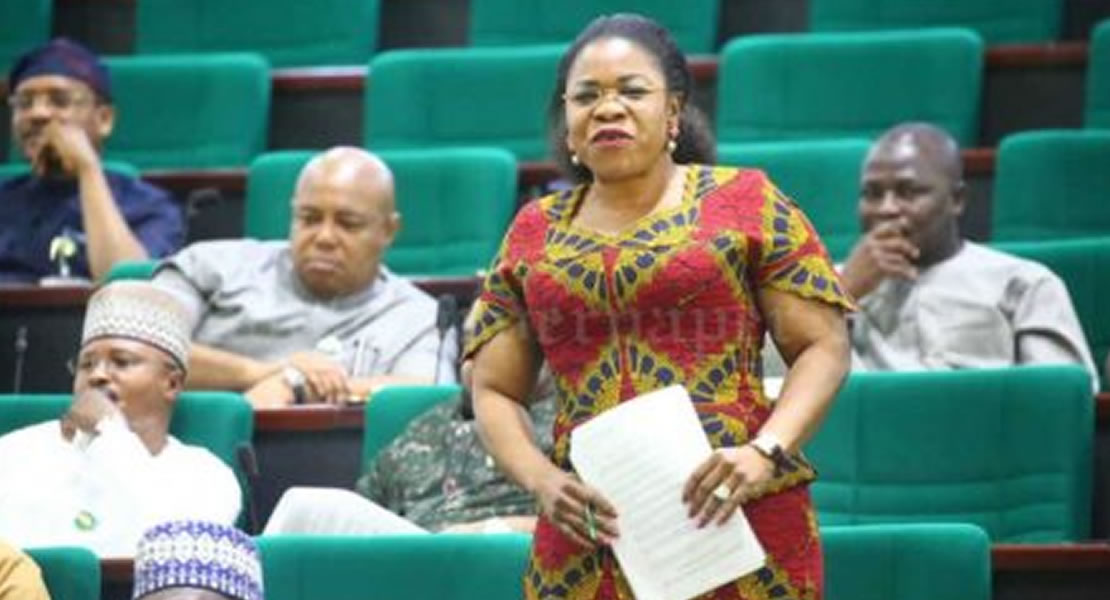
Napare spoke in an interview on the sidelines of the 2026 Second Extraordinary Session in Accra, Ghana, where the Ad hoc Committee held its first meeting to review its terms of reference. The committee was mandated after the 2026 First Ordinary Session in Abuja, Nigeria.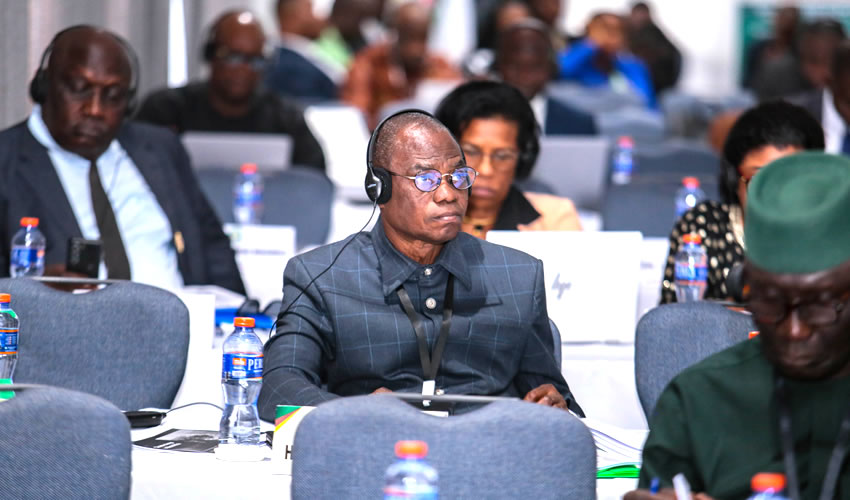
“We need to review the current text of the protocol and implement some of the powers enshrined in the community text — some of the things we have not been able to implement fully. The committee is to look at all these things and see what proposals we can make. Part of strengthening the powers is the issue of the mode of elections of MPs. There is a lot to be done, not only electing MPs,” he said.
He said the Authority of Heads of State and the MPs share the same objectives: developing member states, eradicating poverty and disease, educating community citizens, creating employment, promoting unity and ensuring free movement of goods and people in the sub-region.
Asked whether he believes elections are possible, Napare said: “Why not? We all have common objectives. As I said during our first deliberation, we are not seeking to elect people through universal adult suffrage for election reasons; it is to achieve some purpose. If that is what we want to do, to achieve what we want to achieve, I believe the Heads of State will buy into it.”
On the financial challenges facing the sub-regional bloc, he said elections require funding but noted that levies are paid by member states, not from the personal funds of Heads of State.
“We have challenges, and elections call for funds. Are we in for it? Levies are paid by member states, not the pocket money of any Head of State. But funds from various member states — if we agree that the amount be upgraded, so be it, and it will be paid. They are not paying from their pockets, just as with any funding challenges in any country.”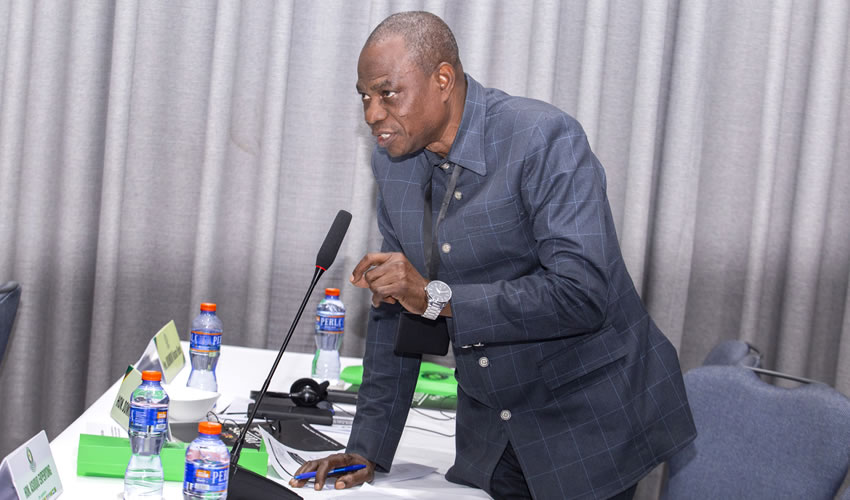
He added: “We have to give priority to what we have to do. Funding will not be sufficient until you commit yourself to it. Electing MPs for the ECOWAS Parliament does not mean they are coming to stay in Abuja; they only gather when there is a meeting. So they might not necessarily stay in Abuja, Nigeria. If we think that is the way to go, Heads of State and MPs need to sit around a table to discuss this.”
Asked whether the desire to elect MPs will materialise in the Seventh Parliament, he said it was too early to give a timeline.
“The committee has not set off to execute the task given to it. We met last week to look at the terms of reference and approve it. We are going to do the various consultations now, move around, consult and then move into the matter. We can make headway.”
He noted that the issue of electing MPs has gone back and forth.
“The election is feasible, but we have different models of election. We need to fashion a model that is practicable for people to be selected from their member countries. The issue is that membership of the ECOWAS Parliament is very small compared with the total population of the sub-region. To elect that small number out of the total population of the sub-region is possible. There are challenges; notwithstanding, there are different models we can look at. What is important is the understanding of ECOWAS citizens in member states. Sensitisation should go on for them to see the need for direct elections that will be representative enough of their voices from the various member states.”
Kwaku Sakyi-Danso/EcowasNewsOnline.com