





Calls for Constitutional Amendment Process if Change is Pursued; Unveils Seven-Point Reform Agenda
MONROVIA — Senator Edwin Melvin Snowe, Jr. of Bomi County has pushed back against the Chief Justice’s proposal to abolish jury trials in Liberia, arguing that the constitutional right should be preserved and strengthened through comprehensive reform rather than eliminated.
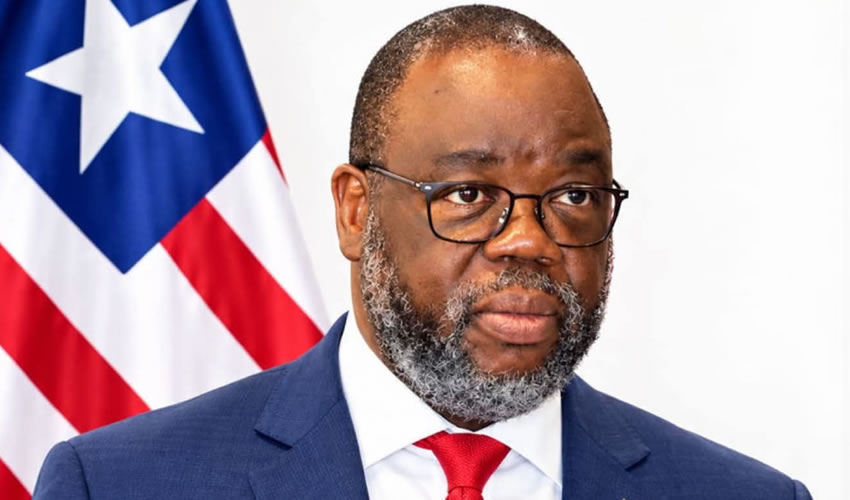
In a detailed statement released Monday, Snowe, who serves as Chairman of the ECOWAS Parliament’s Committee on Political Affairs, Peace, Security and the African Peer Review Mechanism, responded to arguments from colleagues Senators A. Darius Dillon, Sr., Amara Mohammed Konneh, and Nathaniel F. McGill regarding Chief Justice Yamie Quiqui Gbeisay, Sr.’s call to abolish jury trials.
“Corruption demands investigation, accountability, and institutional repair,” Snowe stated. “Its existence does not, by itself, justify withdrawing a fundamental right from the Liberian people.”
Constitutional Barriers to Abolition
The former House Speaker emphasized that Article 20(a) of the Liberian Constitution guarantees due process and the right to trial by jury, while Article 21(h) protects the accused’s right to a speedy, public, and impartial jury trial. He noted that Article 2 establishes the Constitution’s supremacy over inconsistent laws and official actions.
“An ordinary statute or judicial directive cannot lawfully abolish constitutionally protected jury trials,” Snowe said, adding that any proposal to remove these guarantees must follow the amendment process outlined in Articles 91 and 92, requiring two-thirds approval in each legislative chamber and ratification by two-thirds of registered voters in a referendum.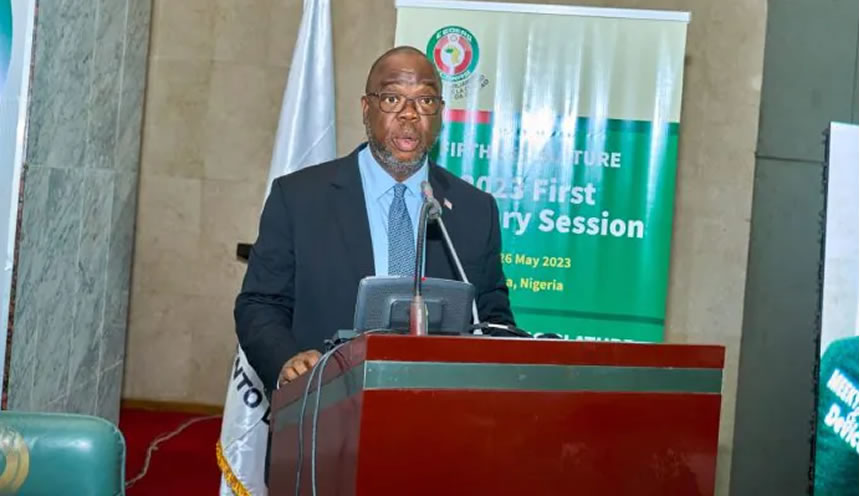
Distinguishing Individual Failures from Systemic Value
While acknowledging concerns about bribery, intimidation, and misconduct in the justice system, Snowe drew a distinction between individual failures and the value of the constitutional right itself.
“There is an important distinction between an accused person voluntarily waiving a jury trial and the State removing that choice from everyone,” he explained. “An individual waiver exercises a constitutional option. General abolition would take away the underlying right.”
The senator also cautioned that abolishing jury trials would not resolve underlying risks of improper influence, noting that judges, prosecutors, investigators, and witnesses also require protection from bribery and political pressure.
“Transferring responsibility for determining the facts entirely to a judge could concentrate the efforts of those seeking to manipulate the outcome,” he warned.
Seven-Point Reform Agenda
Snowe proposed a comprehensive jury reform program for legislative consideration, developed in consultation with the Judiciary. The agenda includes:
1. Transparent selection and screening – Strengthening jury lists and introducing auditable random selection procedures
2. Adequate compensation – Reviewing juror allowances and ensuring timely payment, safe accommodation, and transport
3. Protection proportionate to risk – Establishing clear procedures for reporting threats and protecting jurors
4. Credible investigation of interference – Reviewing existing offences and penalties for those who corrupt proceedings
5. Stronger juror education – Providing practical orientation on evaluating evidence and avoiding outside influence
6. Improved case preparation – Strengthening evidence collection, witness protection, and prosecution
7. Funding and accountability – Requiring costed implementation plans and periodic reporting to legislative committees
Building on Existing Institutions
The senator noted that Liberia already has an Office of Jury Management, established through 2013 legislation he supported, with responsibilities including jury selection and management of the central jury pool. He called for assessing the institution’s effectiveness and strengthening its capacity.
He also pointed to the Judiciary Law’s existing prohibitions on jurors accepting bribes, urging examination of enforcement and identification of legislative gaps.
Call for Public Hearings
Snowe called for public hearings involving the Judiciary, Ministry of Justice, Liberian National Bar Association, jury administrators, civil society, and citizens with jury service experience.
“Those hearings should establish what is failing, what has already been attempted, and which reforms can be implemented and funded,” he said.
The senator emphasized that public frustration with verdicts cannot substitute for proof of wrongdoing, referencing recent cases involving former Finance Minister Samuel Tweah and Abdullah Kamara as examples requiring careful distinction among verdicts, allegations, and evidence.
“Public frustration cannot become a substitute for proof, and political affiliation must never determine whose rights deserve protection,” Snowe stated.
Legislative Responsibility
Snowe acknowledged the Legislature’s own responsibility in supporting the justice system, stating: “We cannot demand stronger courts while overlooking the resources and laws needed to support them.”
He expressed readiness to work with the Chief Justice and colleagues on reforms that “protect citizens, deter corruption, and improve the delivery of justice.”
“Liberia must demonstrate that it can enforce accountability while honoring its constitutional commitments,” Snowe concluded. “Let us protect the right, punish those who corrupt it, and give the system the support it needs to work.”
EcowasNewsOnlie.com