





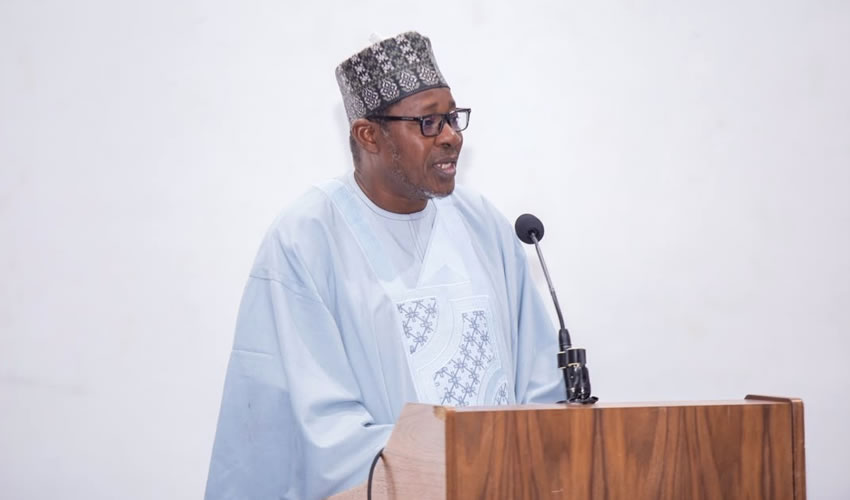
Accra, Ghana – Parliamentarians are uniquely positioned to translate ECOWAS regional commitments into national action, Professor Nassirou Bako-Arifari, Commissioner of Human Development and Social Affairs, told lawmakers at the 2026 Second Extraordinary Session of the ECOWAS Parliament and Second 2026 Parliamentary Seminar in Accra, Ghana. Representing the President of the ECOWAS Commission, he said parliaments provide legislative frameworks, approve national budgets, exercise oversight and serve as a direct bridge between government and citizens, making them central to the region’s response to climate change, environmental degradation, displacement and insecurity.
Speaking on the theme “Climate Change as a driver of Environmental Degradation, Population Displacement and Growing Insecurity in the ECOWAS Region,” Bako-Arifari proposed concrete areas of action for parliamentarians. First, he called for strengthened climate response oversight, insisting that laws and policies must adequately address environmental protection, climate adaptation, disaster risk reduction and the sustainable management of natural resources. He stressed that parliamentary scrutiny is essential to ensure commitments are not merely declared but implemented.
Second, the Commissioner urged parliamentarians to prioritize climate financing, warning that climate resilience cannot be achieved through declarations alone. He said predictable domestic and regional resources are needed, alongside efforts to mobilize international climate finance and strengthen access to available funding mechanisms. Lawmakers, he added, have a key role in approving budgets and ensuring climate finance reaches the communities that need it most.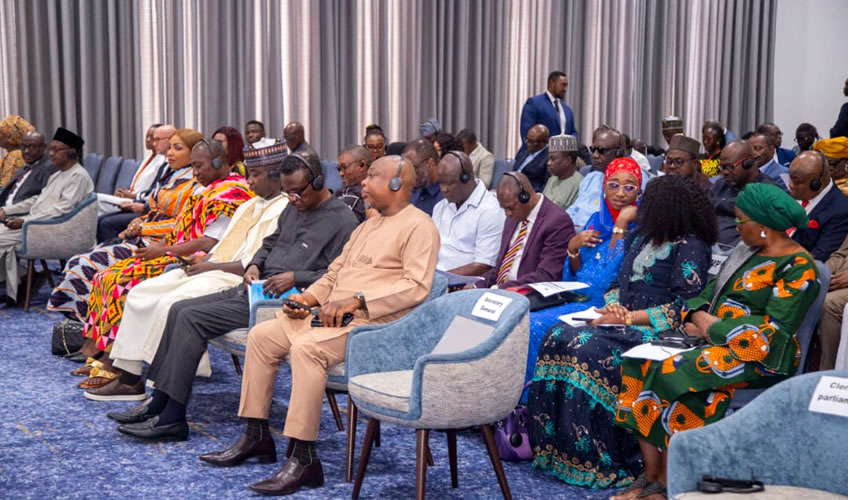
Third, Bako-Arifari called for a shift from reacting to climate-related disasters to anticipating and preventing death through early warning and early action. He said regional early warning systems should be linked to community-level preparedness and rapid response mechanisms. Fourth, he advocated inclusive management of natural resources, including land, water, forests and fisheries, managed transparently and sustainably, with local communities, women, young people, traditional authorities and other stakeholders given a meaningful role in decision-making.
The Commissioner also placed youth and women at the center of climate resilience, describing them not merely as victims but as innovators, entrepreneurs, community leaders and agents of resilience. Investing in their skills, enterprises and participation, he said, is an investment in the future stability of the region. He further urged stronger cooperation among member states and collaboration among ECOWAS institutions, national governments, civil society, traditional authorities, the private sector, academia and development partners.
Concluding, Bako-Arifari called for a new regional compact that moves from fragmented responses to a comprehensive climate resilience and human security agenda. He said security must be understood not only as protecting borders and preventing armed conflict but also as ensuring access to food, water, livelihoods, a safe environment and opportunity for a dignified life. “We must be proactive and invest in resilience before crisis occurs,” he said, urging parliamentarians to make the seminar more than an opportunity to discuss the problem.
Kwaku Sakyi-Danso/EcowasNewsOnline.com