




The Economic Community of West African States (ECOWAS) is falling short in its battle against climate change, Senator Dr. Mrs. Ipalibo Harry Banigo has warned, calling for an urgent shift from rhetoric to “concrete and practical solutions.”
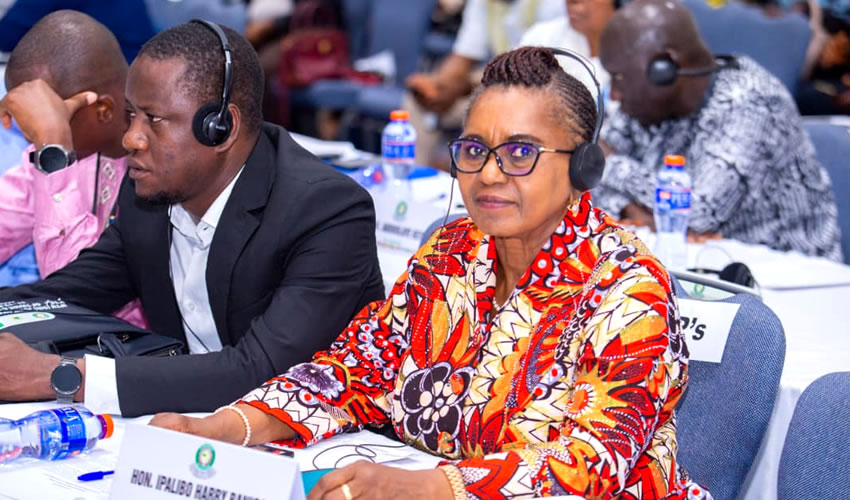
Speaking in an exclusive interview on the sidelines of the 2026 Second Extraordinary Session of the ECOWAS Parliament and Second Parliamentary Seminar in Accra, Ghana, the Nigerian Senator assessed the subregion’s performance as “not doing well.”
“We are still facing increasing pressure of these environmental issues due to climate changes and increased risk to our populations, to our communities and to our economies,” Dr. Banigo stated. “So obviously we are not really getting up to it.”
The parliamentary session, held under the theme “Climate Change as a driver of Environmental Degradation, Population Displacement and Growing Insecurity in the ECOWAS Region,” brought together lawmakers to address the escalating crisis.
Dr. Banigo emphasized that the dialogue must translate into tangible results for citizens. “There is a need not only for this dialogue but for us to move on with concrete and practical solutions to mitigate these effects,” she said. “This must be people-centered so that our people will be able to feel the impacts of the recommendations and decisions we take.”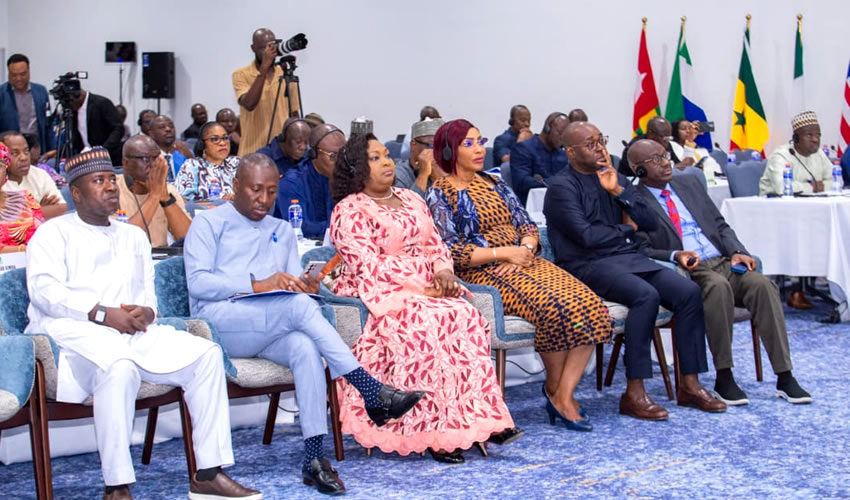
From Rhetoric to Implementation
A key concern raised during the interview was the historical gap between parliamentary recommendations and actual implementation by the ECOWAS Commission. Dr. Banigo expressed optimism that this session would break the cycle of inaction.
“We are very hopeful that this time around it will be a change because we live close to our communities,” she said. “We know the kind of pressures they are facing.”
Citing the devastating impacts already visible across the region, she listed “floods in Accra, in Lagos, in other cities,” as well as “coastal eruptions,” “displacement of populations,” and “food insecurity, population insecurity, and youth insecurity.”
“Obviously this is no more time for rhetorics,” she asserted. “It’s time when we must move and make sure that these recommendations are implemented.”
To achieve this, the Senator outlined a three-pronged approach: reviewing legislative frameworks, ensuring better parliamentary oversight, and providing local financing to mitigate climate impacts.
Xenophobia and Continental Unity
Addressing the pressing issue of xenophobic attacks within the region, Dr. Banigo expressed dissatisfaction with the bloc’s response. While the matter was addressed at the First Ordinary Session in April, she noted that attacks have only increased.
“We’ve only seen increasing numbers of these attacks, not just within West Africa against West African immigrants, but even to other immigrants within Africa,” she said. “As a continental issue, it is still a very big issue. We really have to bring it to the table and do something about it.”
She stressed the critical nature of trans-border cooperation, noting that development and economic challenges facing the continent require unity rather than division.
Looking Ahead
As Nigeria prepares for its upcoming elections in January, Dr. Banigo expressed confidence in the nation’s role as a regional leader.
“A big brother Nigeria has to do nothing but to make Africa proud,” she said. “That’s what we’re looking forward to, and we do hope that that will be the case.”
The 2026 Parliamentary Seminar continues in Accra, with lawmakers expected to produce a roadmap for legislative and financial interventions to combat climate-driven insecurity and displacement in the subregion.
Kwaku Sakyi-Danso/Ghanamps.com